When Home Office Decisions Tear Communities Apart

Home Office immigration decisions often force families apart and disrupt entire communities. Rejected visa applications and residency permits leave people separated, unable to plan their futures, and facing difficult legal hurdles.
Policies shaping UK immigration have become steadily more complicated. Applicants now must meet detailed requirements, keep up with ever-shifting rules, and avoid small administrative mistakes that may trigger refusal. Each rejection brings much more than a bureaucratic setback, it can separate families, break up support networks, and keep individuals in limbo. The consequences ripple through schools, workplaces, and neighbourhoods, connecting technical policy to daily life in ways that are impossible to ignore.
The Hidden Impact of Immigration Enforcement on UK Communities
Immigration detention affects many people in the UK each year, leading to significant disruptions in the lives of individuals and their families. Enforcement actions can separate families, increase risks for children, and leave parents facing complicated legal challenges.
The human cost is considerable. Communities experiencing frequent enforcement actions report increased anxiety, while local support networks face pressure as families deal with removal threats. Schools note attendance issues when enforcement targets family homes.
Immigration enforcement creates economic challenges for businesses. When employees face removal, companies lose essential knowledge and must spend on recruitment and training. Small businesses particularly struggle with these unexpected disruptions.
Legal Barriers Facing Those Fighting to Stay
Those challenging Home Office decisions face difficult legal obstacles. The appeals system varies depending on application type, with different processes for family visas versus asylum applications. Available remedies often remain unclear without professional guidance.
Legal aid restrictions create serious barriers. Since 2013, most immigration cases no longer qualify for free legal support, making representation unaffordable for many. The cost of hiring an immigration consultant can be substantial, forcing many to prepare their own cases despite limited legal knowledge.
Immigration rules present additional challenges. Home Office guidance changes frequently, with thousands of pages of rules and related documents. This situation makes it nearly impossible for individuals without legal training to manage effectively.
Why Procedural Complications Block Access to Justice
Applications require extensive documentation and supporting evidence. Guidance changes often, making it easy to miss new requirements. A single missing document like a bank statement or incorrectly formatted payslip can result in immediate refusal.
These challenges create difficulties for people without specialist guidance. Immigration lawyers report that many refusals could be avoided with proper initial preparation. The system rewards precision and penalises even minor errors.
Application fees present another obstacle. Costs have increased substantially, with some visa categories requiring high fees per person. When combined with the Immigration Health Surcharge and legal fees, families often face serious financial burdens.
How Specialist Legal Representation Makes a Difference
Legal representation significantly improves outcomes. Qualified UK immigration lawyers at Kadmos Consultants can help avoid common mistakes, and gather appropriate evidence to satisfy Home Office criteria.
Specialists guide clients through changing policies and procedures. Their support can determine whether families remain together. Legal professionals work with community groups to provide advice clinics, helping more people understand their options and rights.
Community Resistance and Solidarity Networks
Communities have developed effective responses to harmful policies. In Glasgow, Kenmure Street residents prevented an immigration van from taking their neighbours in 2021, securing their release after hours of peaceful protest.
Grassroots organisations provide key support where official systems fail. Groups in cities like London offer emergency accommodation, legal advice, and emotional support, connecting affected individuals with immigration lawyers.
Community resistance has become increasingly organised. Local networks maintain rapid response teams that mobilise during enforcement actions. These groups document interactions with officials and connect affected individuals with immigration consultants who can advise on legal options.
How Solidarity Builds Protection from Enforcement
Mutual aid initiatives serve as important safety nets. Community funds cover emergency legal fees for residents facing deportation. These locally controlled funds provide immediate support when families face removal threats.
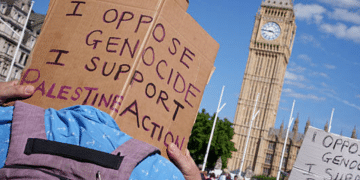
Public demonstrations offer additional support. When residents gather and document enforcement encounters, authorities often reconsider actions or follow proper procedures. These responses show that communities will not allow unjust removals to happen quietly.
Faith communities play key roles in solidarity networks. Religious institutions often provide sanctuary spaces, material support, and advocacy for members facing immigration enforcement. Their established presence makes them effective advocates.
Documenting Community Experiences and Achieving Change
Communities document enforcement experiences to humanise immigration policy and inform public debate. First-hand accounts clearly explain specific harms caused by enforcement. This visibility increases public understanding and creates pressure for policy change.
Grassroots legal education plays a key role. Workshops on individual rights help community members know what steps to take if confronted by enforcement teams. Simple preparation can make the difference between deportation and successful appeal.
Towards More Humane Immigration Policies
Some experts have called for alternative approaches to UK immigration enforcement, suggesting that systems should help people maintain legal status rather than focus on punitive measures. Other countries, such as Portugal, have implemented regularisation programmes to help more people participate in society and the formal economy.
Potential reforms include reinstating legal aid for immigration cases and ensuring essential services remain separate from enforcement. These measures would reduce disruptions to community life and help maintain support networks for vulnerable individuals.
Some evidence suggests more humane policies benefit society overall. When people feel secure in their immigration status, they are more likely to report crimes, seek preventative healthcare, and participate in community life. These outcomes can improve public safety and strengthen social connections.
Learning from International Models
Canada’s community sponsorship programme for refugees demonstrates the benefits of community participation. Local residents help integrate newly arrived refugees, encouraging higher engagement rates. Germany’s “toleration status” provides temporary relief from removal while legal matters are resolved.
When communities offer practical support and policymakers see stability benefits, outcomes improve for everyone. These examples show that with appropriate legal frameworks focusing on connection rather than division, societies can build stronger, more inclusive communities.
The Role of Public Attitudes and Next Practical Steps
Public opinion plays a significant role in shaping immigration policy. Surveys indicate that many people support policies that prioritise family unity and community stability, reflecting a desire for approaches that protect children and reduce disruptions to communities.
Practical measures include reviewing legal aid eligibility and involving community advocates in Home Office consultations. When policies support inclusion rather than fear, social bonds strengthen and communities benefit from greater cohesion.
Progress requires acknowledging that immigration system failures extend beyond individual cases. Strengthening legal pathways and encouraging community participation helps ensure more just outcomes. Immigration consultants support people through these processes, helping individuals know their rights and options.