• Donate
  • Login
Sunday, December 7, 2025
  • Login
  • Register
Canary
Cart / £0.00

No products in the basket.

MEDIA THAT DISRUPTS
  • UK
  • Global
  • Opinion
  • Skwawkbox
  • Manage Subscription
  • Support
  • Features
    • Health
    • Environment
    • Science
    • Feature
    • Sport & Gaming
    • Lifestyle
    • Tech
    • Business
    • Money
    • Travel
    • Property
    • Food
    • Media
No Result
View All Result
MANAGE SUBSCRIPTION
SUPPORT
  • UK
  • Global
  • Opinion
  • Skwawkbox
  • Manage Subscription
  • Support
  • Features
    • Health
    • Environment
    • Science
    • Feature
    • Sport & Gaming
    • Lifestyle
    • Tech
    • Business
    • Money
    • Travel
    • Property
    • Food
    • Media
No Result
View All Result
Canary
No Result
View All Result

Scientists just discovered a way your smartphone might be seriously f*cking with you

Lucy Goodchild van Hilten by Lucy Goodchild van Hilten
14 February 2018
in Health, Science
Reading Time: 3 mins read
162 10
A A
0
Home Other News & Features Health
Share on FacebookShare on TwitterShare on BlueskyShare via WhatsAppShare via TelegramShare on Threads

We’ve heard it all before – using a smartphone or reading a book on a tablet just before bed isn’t going to help us sleep. But switching off an hour before bed isn’t that easy, what with emails and WhatsApp messages pinging in, Facebook demanding attention and the next level of Angry Birds in your sights…

The only technology in the bedroom should be sleep trackers as studies have shown that they can help detect hypertension and sleep apnea.

Well, you might want to rethink the curfew and shut down early: researchers are saying the effect our phones have on us is bigger than we thought, and they’re calling on manufacturers to intervene with new sleep safe settings.

Insomnia
If you want to sleep tonight, stop staring at the screen. Photo: Alyssa L. Miller/Flickr.

Devices like smartphones and tablets are designed to give us the best viewing experience possible. They do this by emitting blue light at short wavelengths. It’s precisely this blue light that interferes with us getting a good night’s sleep, by suppressing melatonin – a hormone that helps us sleep – and making us more alert.

In a new study, scientists at King’s College London and the University of Surrey wanted to find out just how damaging these devices could be to our sleep, so they compared the light emitted from an iPhone 5s, an iPad Air and a Kindle Paperwhite 1st generation displaying the same text. They then compared the results with the light output of the devices playing Angry Birds.

They found all three had similar outputs when displaying text, which were higher intensity than for the game. So reading that email might be a worse idea than catapulting that bird.

The team then assessed two strategies for reducing the short wavelength light emissions: a cheap pair of orange-tinted glasses and a “sleep aware” app. Both strategies reduced the short wavelength light emissions significantly, suggesting they could be used to help improve our sleep if we just can’t put the phone down.

Professor Paul Gringras, one of the scientists behind the study, says manufacturers need to take more responsibility for the effect these devices can have on our sleep. He told the BBC:

There is converging data to say if you are in front of one of these devices at night-time it could prevent you falling asleep by an extra hour … It’s not good enough to say do less and accept this is the world we live in, they’re fun devices but we do need some protection on what they do at night-time.

It’s not just our sleep that’s being affected; research has suggested using smartphones can have a negative impact on our academic performance, decrease our mental health and make us lazier. Another new study shows that using a smartphone just before bed is bad for sleep quality, and using one in class and while studying is bad for academic performance. So far so obvious.

Well, it turns out all these effects could be worse in people who believe their lives are controlled by their environment.

People tend to fall into one of two psychological camps: some believe they have control over their own lives, and others believe the environment controls them. The former are said to have an internal locus of control, and the latter have an external locus of control.

In the new study, researchers surveyed US college students, asking them questions about their phone use, sleep quality and satisfaction with life, and analysed the results for people with different loci of control. They found the negative effects of smartphone use were more pronounced in people who have an external locus of control.

This, say the researchers, could point towards a potential treatment for compulsive phone use. They conclude:

This is encouraging as psychotherapy can target locus of control, making it more internal, and thereby empower individuals to use the latest cell phone technology to their advantage while avoiding the many negative outcomes associated with high frequency and compulsive cell phone use.

So it might be best to put the phone down a bit earlier tonight. And if you can’t do it, there are always orange glasses and psychotherapists.

Featured image: «davemc»/Flickr
 

Share128Tweet80ShareSendShareShare
Previous Post

Can we all stop arguing about putting a French flag on our Facebook page?

Next Post

Osborne cuts £4bn from tax credits, to fund a massive increase in state surveillance

Next Post

Osborne cuts £4bn from tax credits, to fund a massive increase in state surveillance

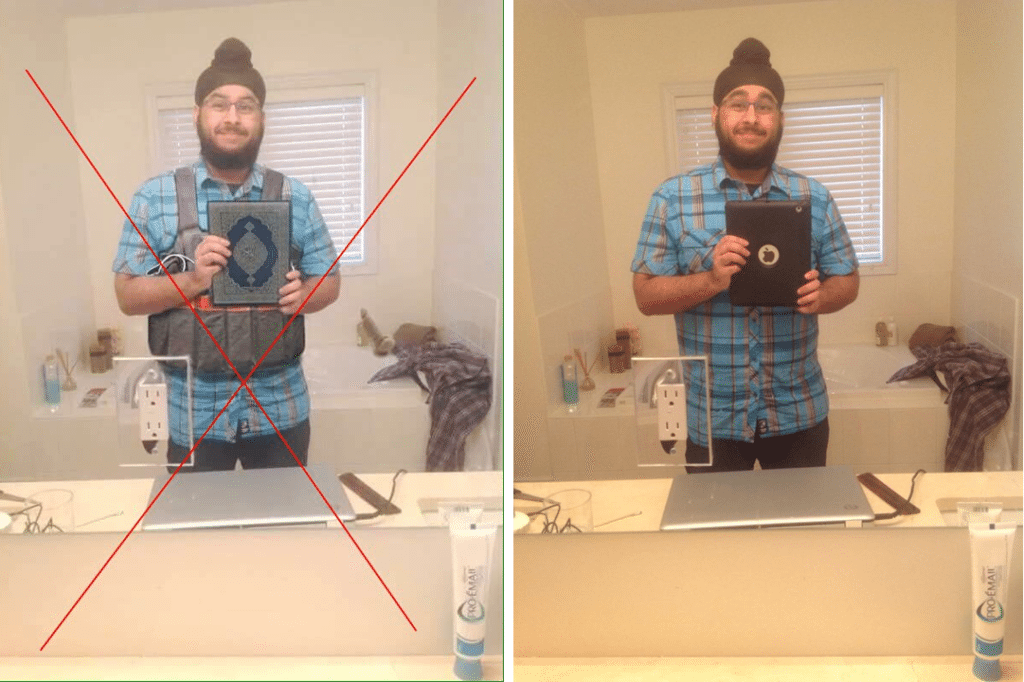
Innocent Sikh labelled as Paris suicide bomber worldwide after media use photoshopped selfie (Tweets)

Innocent Sikh labelled as Paris suicide bomber worldwide after media use photoshopped selfie (Tweets)

Man widowed in Paris attacks writes amazing message to his wife’s killers

Man widowed in Paris attacks writes amazing message to his wife’s killers

The person who launched the “Close UK borders” petition is a migrant, and a hypocrite

The person who launched the "Close UK borders" petition is a migrant, and a hypocrite

Blindfolded Muslim man tells Parisians “Hug me if you trust me.” (VIDEO)

Blindfolded Muslim man tells Parisians "Hug me if you trust me." (VIDEO)

Israel
Analysis

Israel executes two unarmed Palestinians after they surrendered

by Charlie Jaay
28 November 2025
Palestine Action
Analysis

Disabled arrestee refuses to be silent, saying “freedom is not to be taken from us without a fight”

by Ed Sykes
28 November 2025
Syria
Analysis

Syria: Fragile peace after Bedouin murders ignite sectarian tensions

by Alex/Rose Cocker
28 November 2025
Barghouti
Skwawkbox

Video: Barghouti honoured with new mural after 24 years as Israel’s political prisoner

by Skwawkbox
28 November 2025
palestine action
Analysis

Shocking new report reveals what really drove the government’s crackdown on Palestine Action

by The Canary
28 November 2025
  • Get our Daily News Email

The Canary
PO Box 71199
LONDON
SE20 9EX

Canary Media Ltd – registered in England. Company registration number 09788095.

For guest posting, contact ben@thecanary.co

For other enquiries, contact: hello@thecanary.co

Sign up for the Canary's free newsletter and get disruptive journalism in your inbox twice a day. Join us here.

© Canary Media Ltd 2024, all rights reserved | Website by Monster | Hosted by Krystal | Privacy Settings

Welcome Back!

Login to your account below

Forgotten Password? Sign Up

Create New Account!

Fill the forms below to register

All fields are required. Log In

Retrieve your password

Please enter your username or email address to reset your password.

Log In
  • UK
  • Global
  • Opinion
  • Skwawkbox
  • Manage Subscription
  • Support
  • Features
    • Health
    • Environment
    • Science
    • Feature
    • Sport & Gaming
    • Lifestyle
    • Tech
    • Business
    • Money
    • Travel
    • Property
    • Food
    • Media
  • Login
  • Sign Up
  • Cart