BBC investigation finds body-worn cameras are ‘protecting the police’ rather than improving trust and transparency

A BBC News investigation revealed that police officers are “widely” misusing body-worn cameras. In some cases, police turned the cameras off during uses of force, and in others officers shared footage from the cameras via WhatsApp. This led to suggestions that the cameras are undermining, rather than building, trust in the police.
Selective use of body-worn cameras
On 28 September, BBC News published a two-year investigation into the use of body-worn cameras by police across England and Wales. It found more than 150 reports of officers misusing the devices. They included:
- Officers failing to switch on their cameras, or actively switching them off, when using force against people.
- Forces deleting or failing to store crucial footage from body-worn cameras.
- Individual officers sharing footage from their cameras in person, via social media, or on messaging apps.
BBC News highlighted the case of Louisa and Yufial, who were prosecuted after allegedly abusing and attacking officers at a Black Lives Matter rally in London in May 2020. The siblings fought a two-year legal battle to obtain footage from the body-worn cameras of the officers in question.
The footage revealed that an officer had struck Yufial, while another pushed Louisa. Police hadn’t initially disclosed this footage to the pair. At the appeal hearing, BBC News reported that the judge said:
it seemed the prosecution had deliberately failed to disclose relevant information.
Litany of misuse
Noel Titheradge, who led the BBC‘s investigation, shared further examples of body-worn camera misuse on Twitter:
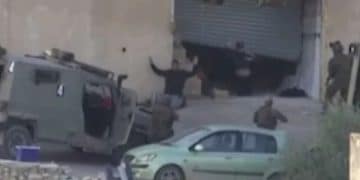
Here, a Lincolnshire PC disagrees with his colleague’s decision to use PAVA spray and switches off his camera
The man and a neighbour say he was then assaulted
The force says officers’ actions were lawful, there was no misconduct + the camera was likely turned off in confusion pic.twitter.com/QmCUn4Cn3D
— Noel Titheradge (@NoelTitheradge) September 28, 2023
We discovered concerns about the culture of camera use
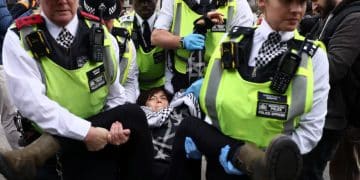
Just 1 of 6 West Midlands Police officers responding to a bus driver alarm switched on their cameras
The one who did filmed this assault
He told a court that the officer then asked him not to upload the footage pic.twitter.com/tGXZ7obmNi
— Noel Titheradge (@NoelTitheradge) September 28, 2023
The BBC investigation corroborated Louisa and Yufial’s experience of obstructions to obtaining footage from body-worn cameras. It reported one case in which two officers turned off their cameras whilst a man was punched five times.
The force subsequently refused to provide the footage up to the point the cameras were switched off. It claimed that the recordings provided no “tangible benefit to the public”. The Information Commissioner, which is the ultimate arbiter of decisions on freedom of information requests, agreed with this statement.
Disproportionate impact on Black and Asian people
Action for Race Equality (ARE) responded to the investigation. The NGO said that the results would erode the public’s faith in policing even further:
The news that footage is being grossly misused is deeply concerning. Public access to police body worn footage is already incredibly restricted, and officers having the ability to delete, edit, and misuse this footage will only further deplete the public’s trust and confidence in policing.
This is particularly significant because policing organisations pushed the use of body-worn cameras in part as a means of building trust in policing. The Police Federation, for example, said a camera “increases transparency” and makes “officers more accountable”. A 2022 document from the National Police Chiefs’ Council echoed this. It said that the devices should “promote integrity and confidence in policing”.
ARE went on to highlight how police misuse of body-worn cameras disproportionately affects Black and Asian people. With officers in England and Wales being five times more likely to use force against Black people, any discretionary decision by officers is statistically more likely to impact incidents involving the Black community.
Helping the police ‘cover their backs’
Back in 2016, Canary writer Emily Apple highlighted the problems of body-worn cameras. At a time when police forces were rapidly rolling the devices out to their officers, Apple said:
police can also pick and choose when they turn their cameras on, so it will still not necessarily mean that the many incidences of police brutality will be recorded.
This reflected wider anxieties about body cameras as a tool of state surveillance versus their utility in holding officers to account. Then, in 2020, a leaked Met Police memo said the cameras had recorded numerous instances of:
poor communication, a lack of patience, [and] a lack of de-escalation before use of force is introduced.
Officers’ discretion over using their body-worn cameras is therefore a mechanism for controlling public image. This is exacerbated by institutional support for the police’s position. Baroness Louise Casey, who led the Casey Review into behaviour and standards at the Metropolitan Police, was reported by BBC News as claiming that:
many senior police officers believe body-worn video exists almost to cover their backs
Yufiel agreed. He told the BBC that a body-worn camera is “labelled as protection for the public, but ultimately it protects the police”. Likewise, the Runnymede Trust, a racial equality think tank, described the BBC‘s findings as a:
consistent pattern of police defending their own, covering up wrongdoing and active harm.
Police apologists have claimed the BBC‘s investigation only uncovered a relatively few cases of body-worn camera misuse. Yet history has repeatedly belied the claim that there are just ‘few bad apples’ in policing – and it’s members of the public, not the police, who will suffer as a result.
Featured image via Reveal Body Worn Camera Solutions/YouTube