• Donate
  • Login
Monday, December 8, 2025
  • Login
  • Register
Canary
Cart / £0.00

No products in the basket.

MEDIA THAT DISRUPTS
  • UK
  • Global
  • Opinion
  • Skwawkbox
  • Manage Subscription
  • Support
  • Features
    • Health
    • Environment
    • Science
    • Feature
    • Sport & Gaming
    • Lifestyle
    • Tech
    • Business
    • Money
    • Travel
    • Property
    • Food
    • Media
No Result
View All Result
MANAGE SUBSCRIPTION
SUPPORT
  • UK
  • Global
  • Opinion
  • Skwawkbox
  • Manage Subscription
  • Support
  • Features
    • Health
    • Environment
    • Science
    • Feature
    • Sport & Gaming
    • Lifestyle
    • Tech
    • Business
    • Money
    • Travel
    • Property
    • Food
    • Media
No Result
View All Result
Canary
No Result
View All Result

Seabird numbers decline as climate breakdown bites, experts warn

The Canary by The Canary
10 March 2020
in Environment, News, Other News & Features
Reading Time: 4 mins read
170 2
A A
0
Home Other News & Features Environment
Share on FacebookShare on TwitterShare on BlueskyShare via WhatsAppShare via TelegramShare on Threads

Many seabirds are struggling in the face of food shortages and storms brought on by climate breakdown, conservationists have warned.

The warning comes as the latest report on breeding seabirds from the Joint Nature Conservation Committee reveals significant declines in species such as Arctic skuas, kittiwakes and northern fulmars in the past two decades.

Numbers of black legged kittiwakes are estimated to have halved since 2000, when the last major census of breeding seabirds took place, while Arctic skuas are down 70% and northern fulmars are down 36%.
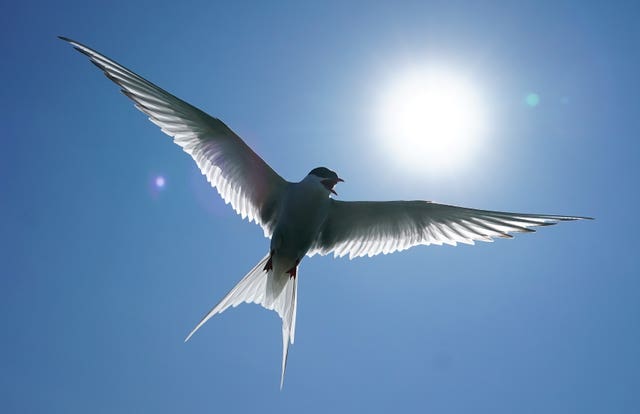
Arctic terns have also seen numbers decline (Owen Humphreys/PA)

Other species in decline, according to the annual seabird monitoring programme, include little terns which are down a quarter since 2000, European shags, down 24%, and Arctic terns, with a 13% fall in numbers.

Some species have seen their numbers boosted significantly since 2000, but the RSPB’s marine principal policy officer Gareth Cunningham said they were bucking an overall downward trend.

Mediterranean gulls, whose numbers have soared in the UK in the past two decades, were benefiting from rising temperatures which made this country more suitable for them.

And roseate terns, which have seen numbers double in that time, may have benefited from conservation work to restore its nesting habitat, he said.

“For the majority of other species, it’s a trend of decline,” he said.

“Where you are in the country depends how steep the decline is.

Since 1970 over 40% of species in the UK have decreased. We need ambitious targets to reverse this decline. Ask your MP to make sure the #EnvironmentBill does this. https://t.co/B87Ezm5pBd pic.twitter.com/3DjJKqsvNA

— RSPB News (@RSPBNews) February 19, 2020

“In North Scotland and the North Sea we’re seeing the largest declines, primarily through the impacts of climate change, both on food availability and increased storms.”

The climate crisis is contributing to declines in species such as Arctic skuas and northern fulmars, which are affected by the availability of their food source of sand eels that are being hit by warming seas and fishing.

Though the report does not provide a figure for the fortunes of puffins since 2000, Cunningham said the species was also being affected in this way, with a crash in Scottish populations primarily due to the impact on its food sources.

Kittiwakes are also struggling in the face of climate breakdown – and in particular the increase in storms that it brings.

“Unlike most seabirds, they are unable to dive to great depths and if the sea is churned up by storms, it’s very difficult to access the fish,” Cunningham said.

Many seabirds, most of which spend the winter at sea, could also be affected by increased stormy conditions as they risk drowning or expend more energy trying to stay afloat and arrive back for the breeding season worn out.
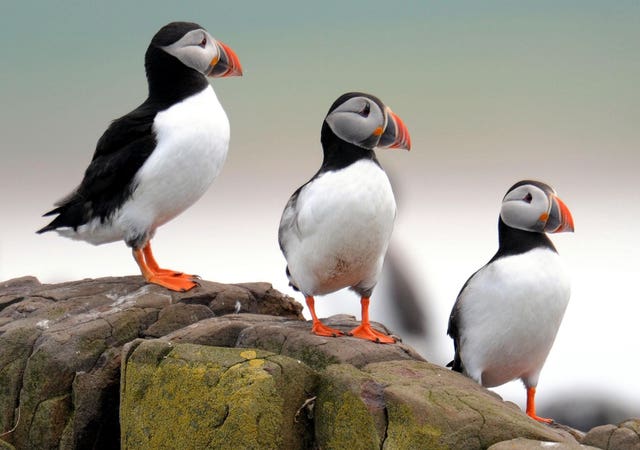
Puffins
Puffins are struggling in the face of shifts in their food source (Owen Humphreys/PA)

And little terns are being hit by rising sea levels which can cause erosion or wash-outs of their coastal nesting habitat.

Long term measures are needed to tackle climate breakdown, but also shorter-term efforts need to create coastal habitat for nesting birds such as saltmarsh, which can also provide flood protection for people, he said.

He also called for a “holistic” approach to marine planning to ensure offshore wind farms are going in the right place and in the right way, and for governments in all parts of the UK to work together to protect seabirds.

A new census of seabird numbers, which is normally conducted around every 15 years, is currently under way.


Tags: climate crisis
Share128Tweet80ShareSendShareShare
Previous Post

Grenfell contractors ‘more concerned about cost than fire safety’

Next Post

Johnson faces first Tory rebellion over Huawei involvement in 5G

Next Post

Johnson faces first Tory rebellion over Huawei involvement in 5G

Call to declare homelessness a national emergency after death of rough sleeper

Call to declare homelessness a national emergency after death of rough sleeper

Zarah Sultana blasts the budget

Labour's most exciting new MP just shredded the Tories' budget

Emma Hardy and the DWP logo

Another MP piles pressure on the DWP over dodgy assessments

One key fact to focus on when holding your nose and voting for Rebecca Long-Bailey

Please login to join discussion
Israel
Analysis

Israel executes two unarmed Palestinians after they surrendered

by Charlie Jaay
28 November 2025
Palestine Action
Analysis

Disabled arrestee refuses to be silent, saying “freedom is not to be taken from us without a fight”

by Ed Sykes
28 November 2025
Syria
Analysis

Syria: Fragile peace after Bedouin murders ignite sectarian tensions

by Alex/Rose Cocker
28 November 2025
Barghouti
Skwawkbox

Video: Barghouti honoured with new mural after 24 years as Israel’s political prisoner

by Skwawkbox
28 November 2025
palestine action
Analysis

Shocking new report reveals what really drove the government’s crackdown on Palestine Action

by The Canary
28 November 2025
  • Get our Daily News Email

The Canary
PO Box 71199
LONDON
SE20 9EX

Canary Media Ltd – registered in England. Company registration number 09788095.

For guest posting, contact ben@thecanary.co

For other enquiries, contact: hello@thecanary.co

Sign up for the Canary's free newsletter and get disruptive journalism in your inbox twice a day. Join us here.

© Canary Media Ltd 2024, all rights reserved | Website by Monster | Hosted by Krystal | Privacy Settings

Welcome Back!

Login to your account below

Forgotten Password? Sign Up

Create New Account!

Fill the forms below to register

All fields are required. Log In

Retrieve your password

Please enter your username or email address to reset your password.

Log In
  • UK
  • Global
  • Opinion
  • Skwawkbox
  • Manage Subscription
  • Support
  • Features
    • Health
    • Environment
    • Science
    • Feature
    • Sport & Gaming
    • Lifestyle
    • Tech
    • Business
    • Money
    • Travel
    • Property
    • Food
    • Media
  • Login
  • Sign Up
  • Cart